
Yiwu Shipping Guide: How to Ship from Yiwu, China
Discover how to ship from Yiwu, China. Compare sea, air, and express options. Learn about costs, customs, and finding a reliable shipping agent.
Key Takeaways
- Yiwu shipping offers sea, air, and express options.
- Sea freight is cheapest for large shipments.
- Air freight is faster but more expensive.
- A shipping agent can handle customs and logistics.
- Costs vary by weight, volume, and destination.
Yiwu, China — home to the 5.5-million-square-meter Yiwu International Trade City — funnels goods from over 75,000 booths to buyers in more than 200 countries every year, and the vast majority of those goods move by sea from the nearby ports of Ningbo and Shanghai. That scale is exactly why Yiwu shipping can be either remarkably cheap or painfully expensive, depending entirely on choices you make before your cargo leaves the warehouse. Sea freight from Yiwu to the US East Coast typically runs 20–30 days, air freight 5–10 days door-to-door, and express couriers just days — each option with its own cost curve, weight rules, and customs requirements.
This guide breaks down how each method actually works, what drives Yiwu shipping rates up or down, and how FCL, LCL, and consolidation shipping compare for your shipment size. You'll also learn how to vet a Yiwu shipping agent, which documents (Bill of Lading, commercial invoice, packing list, certificate of origin) you can't skip, and the seasonal surcharges — Chinese New Year and Q4 — that catch first-time importers off guard. Whether you're an e-commerce seller testing a product line or a business restocking a full container, you'll finish with a clear, costed plan for getting goods out of Yiwu and onto shelves.
Yiwu, China is home to the world's largest wholesale market for small commodities, and it sits within 200 kilometers of two of the busiest container ports on Earth: Ningbo and Shanghai Yiwu Market Guide. That geographic advantage is the foundation of Yiwu shipping, giving buyers access to competitive freight rates that few inland sourcing hubs can match.
The city's density of freight forwarders, consolidators, and logistics companies means you rarely need to look far to find a Yiwu shipping agent who can move goods door-to-door Yiwu Shipping. These agents handle booking, customs paperwork, and consolidation, which is why many importers never deal with carriers directly.
There are three main ways to ship from Yiwu, each suited to different cargo. Sea freight is the cheapest option for bulky, heavy shipments, while air freight costs more but cuts transit to roughly 5–10 days door-to-door DDP Chain. Express couriers like DHL, FedEx, and UPS are the fastest choice for small parcels, though rates climb quickly as weight increases 17Track.
Before you book anything, learn a few trade terms that shape your total cost. FOB (Free On Board) means the seller delivers goods to the port and you pay freight and insurance from there; CIF (Cost, Insurance, and Freight) bundles those into the seller's price Yiwu Market Guide. Customs clearance and import duties are separate again, and they depend on your destination country's rules.
Consolidation is the trick that makes Yiwu shipping affordable for smaller buyers. Instead of paying for a full container, you share space with other shippers, combining goods from multiple suppliers into one shipment Forest Shipping. It saves money, but expect longer transit times while the container fills up.
The typical journey runs from your supplier in Yiwu to Ningbo or Shanghai port, across the ocean to your destination port, then through customs and onto final delivery Yiwu Shipping. Understanding that chain is the first step toward choosing the right method and avoiding costly surprises.
Yiwu sits within 200 kilometers of Ningbo and Shanghai, two of China's busiest ports, which gives local shippers access to more than 250 international shipping routes Yiwu Market Guide. This proximity, combined with the enormous export volume generated by Yiwu International Trade City, keeps yiwu shipping rates among the most competitive in China Yiwu Shipping.
There are three main ways to move goods out of Yiwu: sea freight, air freight, and express delivery. Sea freight is the cheapest option for bulk cargo but the slowest, air freight balances speed and cost for mid-sized shipments, and express couriers like DHL, FedEx, and UPS are fastest for small parcels Yiwu Market Guide. Choosing between them usually comes down to how urgently you need the goods and how much volume you're moving.
Before booking anything, you need to understand a few key terms. FOB (Free On Board) means the seller handles costs until the goods reach the port, while CIF (Cost, Insurance, and Freight) means the seller covers shipping and insurance to the destination port DDP Chain. Customs clearance and duties are the buyer's responsibility under both terms, and consolidation — combining goods from multiple suppliers into one shipment — can significantly reduce your per-unit yiwu shipping cost Yiwu Shipping.
The physical journey of your goods follows one of three paths. Sea freight moves from Yiwu to Ningbo or Shanghai port, then across the ocean to your destination port, through customs, and finally to your door Yiwu Market Guide. Air freight routes through Yiwu's own airport or the larger hubs at Hangzhou and Shanghai, while express couriers pick up directly from your supplier's door and handle everything end-to-end Yiwu Shipping.
Working with an experienced yiwu shipping agent simplifies this entire process. A good agent handles booking, customs documentation, consolidation, and last-mile delivery, often at rates individual buyers can't access on their own Forest Shipping. For first-time importers especially, that support can mean the difference between a smooth delivery and a costly customs headache.
Yiwu sits within 100–200 km of Ningbo and Shanghai, two of China's busiest ports, which gives local shippers a built-in advantage on cost and routing Yiwu Market Guide. That proximity, combined with the sheer volume of goods flowing out of Yiwu International Trade City, is why yiwu shipping rates stay competitive even during peak season.
For international buyers, yiwu shipping breaks down into three practical methods. Sea freight is the workhorse for bulk orders, air freight covers the middle ground for time-sensitive mid-size shipments, and express couriers like DHL, FedEx, and UPS handle small parcels that need to arrive in days, not weeks Yiwu Shipping. Choosing between them usually comes down to one trade-off: how much you're willing to pay for speed.
A yiwu shipping agent typically handles the parts most buyers can't manage alone — booking space, arranging consolidation, preparing customs clearance documents, and coordinating final delivery Forest Shipping. Consolidation is especially valuable for smaller importers: instead of paying for a full container, you share space with other shippers and only pay for your cubic meters (CBM) DDP Chain.
Understanding FOB versus CIF matters here too. Under FOB, your supplier delivers goods to the port and you cover the main freight; under CIF, the supplier arranges and pays for shipping to your destination port, though the cost is usually baked into your unit price Yiwu Market Guide. Neither is automatically better — it depends on whether you have your own freight forwarder and want control over routing.
Once your shipment is moving, tracking becomes the next priority. Most yiwu shipping companies provide a tracking number that works across carriers, and platforms like 17TRACK let you follow the journey from pickup to final delivery 17TRACK. The key takeaway: yiwu shipping isn't complicated once you understand the methods, the paperwork, and who's responsible for each leg.
Yiwu sits roughly 200 kilometers from the Port of Ningbo, one of the world's busiest cargo hubs, which is why the city has become a magnet for freight forwarders and consolidators Yiwu Market Guide. This proximity gives exporters a genuine advantage: goods can move from market stall to container terminal in a matter of hours, and the sheer volume of cargo passing through keeps yiwu shipping rates among the most competitive in China Yiwu Shipping.
Choosing the right method starts with matching cargo to transit time. Sea freight remains the cheapest option for large, heavy loads, while air freight typically delivers door-to-door in 5–10 days for shipments between 100 kg and 1,000 kg Yiwu Market Guide. Express couriers such as DHL, FedEx, and UPS handle smaller parcels fastest, though at the highest cost per kilogram. For many buyers, the deciding factor is simply whether the inventory is urgent or can wait.
This is where a yiwu shipping agent earns their fee. A good agent consolidates goods from multiple suppliers into a single shipment, handles customs clearance, and manages documentation like the Bill of Lading and certificate of origin Forest Shipping. Without an agent, first-time importers often underestimate terminal handling charges, fuel surcharges, and peak-season premiums that spike around Chinese New Year Yiwu Shipping.
Consolidation shipping is especially valuable for smaller buyers. Instead of paying for a full container, you share space with other shippers and pay only for your cubic meters — a model that DDP-focused logistics providers have refined for Yiwu's wholesale ecosystem DDP Chain. The trade-off is a longer transit window, since your cargo waits for the container to fill before departure.
Tracking has also become simpler. Platforms like 17TRACK now support Yiwu-based carriers directly, letting buyers follow parcels from pickup through final delivery 17TRACK. Whether you ship sea, air, or express, the golden rule of yiwu shipping is the same: confirm all-in costs in writing before your supplier releases the goods.
Sea freight remains the default choice for the majority of Yiwu exports. An estimated 60% of goods leaving Yiwu International Trade City move by ocean via the Port of Ningbo-Zhoushan, one of the busiest ports in the world Yiwu Market Guide.
For full container loads, a 20-foot container from Yiwu to the US West Coast typically runs between $2,500 and $4,500, while a 40-foot container ranges from $3,500 to $6,500 depending on the season DDP Chain. LCL shipments are priced per cubic meter, usually between $80 and $150/CBM to major US ports.
Transit times vary significantly by destination. Yiwu to Los Angeles takes roughly 18–25 days port-to-port, while East Coast routes via the Panama Canal add another 10–14 days Forest Shipping. European destinations such as Rotterdam or Hamburg typically see 28–35 day transit windows.
A yiwu shipping agent can reduce total landed cost by 15–30% through consolidation, customs pre-clearance, and negotiated carrier rates Yiwu Shipping. Most agents operate on a flat fee per shipment plus pass-through costs, making pricing transparent and predictable.
Peak season surcharges hit hardest from August through October and around Chinese New Year, when rates can spike 40–60% above baseline DDP Chain. Booking 4–6 weeks in advance is the single most effective way to avoid these premiums.
For e-commerce sellers shipping smaller volumes, LCL consolidation through a yiwu shipping agent often beats both air freight and express on cost per kilogram once shipments exceed 2 CBM Yiwu Market Guide.
Tracking is straightforward: most Yiwu-based forwarders issue a Bill of Lading number traceable through carrier portals or aggregators like 17TRACK 17TRACK. Always confirm whether your quote is FOB Ningbo or CIF destination — the difference can swing your total cost by thousands of dollars on a single container.
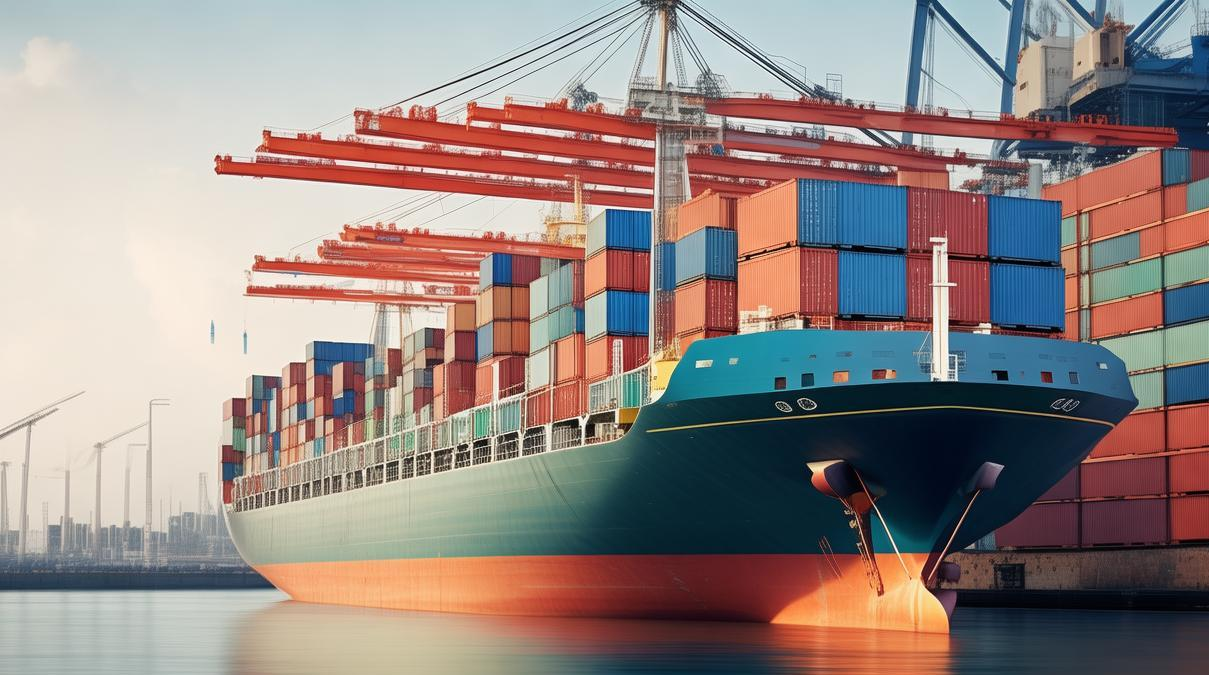
Sea freight remains the cheapest way to move bulk goods out of Yiwu, with typical transit times of 20–30 days to the USA and 25–35 days to Europe depending on the destination port and customs clearance Yiwu Market Guide. Because Yiwu sits roughly 150 km from Ningbo Port and about 300 km from Shanghai Port, exporters can reach two of China's busiest container hubs within a single day by truck Yiwu Shipping.
Cost is driven mainly by volume (CBM) and weight, but origin port, destination, and season also matter. Rates spike during peak season around Chinese New Year and Q4, when carriers add surcharges and space tightens Forest Shipping. For shipments too small to fill a container, Less than Container Load (LCL) consolidation lets you share space with other shippers — a practical option when you're sourcing from several suppliers in Yiwu International Trade City at once Yiwu Market Guide.
Every sea shipment needs a Bill of Lading, commercial invoice, packing list, and certificate of origin. Under FOB terms the buyer arranges freight and insurance from the origin port, while CIF means the seller covers cost, insurance, and freight to the destination port — a distinction that directly affects your quoted Yiwu shipping cost Yiwu Shipping.
A reliable yiwu shipping agent handles booking, consolidation, and customs clearance, often bundling multiple suppliers' goods into one cost-efficient shipment Forest Shipping. That coordination is why many importers treat their agent as the backbone of their entire Yiwu shipping strategy.
Yiwu ships goods to more than 200 countries and regions, making it one of the most connected sourcing hubs in China Yiwu Market Guide. That reach is why yiwu shipping has become a full industry of its own, with freight forwarders, consolidators, and couriers clustered around the market.
Yiwu sits roughly 200 kilometers from the Port of Ningbo and about 300 kilometers from Shanghai, giving shippers access to two of the world's busiest container ports Yiwu Shipping. Most sea freight from Yiwu moves by truck to one of these ports before loading, which adds a day or two to transit but keeps rates low.
Sea freight remains the cheapest option for bulk cargo. A 20-foot container from Yiwu to the US West Coast typically runs $2,500–$4,500, while a 40-foot high cube runs $3,500–$6,000, depending on season and carrier DDP Chain. LCL shipments are priced per cubic meter, usually $60–$150 per CBM to US ports.
Air freight suits shipments between 100 kg and 1,000 kg. Yiwu air freight rates average $4–$8 per kilogram to the USA and $3.50–$7 per kilogram to Europe, with transit of 5–10 days door-to-door Yiwu Market Guide. Express couriers like DHL and FedEx handle parcels under 100 kg, often at $8–$15 per kilogram but with 3–5 day delivery.
A yiwu shipping agent earns their fee by consolidating multiple suppliers' goods, handling customs clearance, and negotiating carrier rates you cannot access alone. Most agents charge $50–$150 per shipment or a 5–10% markup on freight Forest Shipping. For first-time importers, that guidance often pays for itself.
Yiwu shipping rates fluctuate with fuel prices, peak-season surcharges, and carrier capacity, so always request a fresh quote within 30 days of booking Yiwu Shipping. Track your shipment through carriers like Yiwu Huayue using a universal tracker once it leaves the warehouse 17Track.
Sea freight from Yiwu moves FCL and LCL cargo to the USA in 20–30 days and Europe in 25–35 days, while air freight covers 100 kg–1,000 kg shipments in 5–10 days door-to-door. LCL consolidation cuts costs by sharing container space, though it adds transit time and handling risk. Every sea shipment needs a Bill of Lading, commercial invoice, packing list, and certificate of origin. Rates swing with CBM, origin port (Ningbo vs. Shanghai), and peak-season surcharges around Chinese New Year and Q4. Express (DHL, FedEx, UPS) remains fastest for small
Last updated: 2026-09-15
Связь
Свяжитесь с нами
С WECO сегодня
No.88 Hulin Road, Daqi, Beilun, Ningbo, 315806, China
TEL & WHATSAPP: 86 15857498114
Эл. почта: [email protected]